How Laser Skin Rejuvenation Repairs Sun Damage and Restores Your Glow
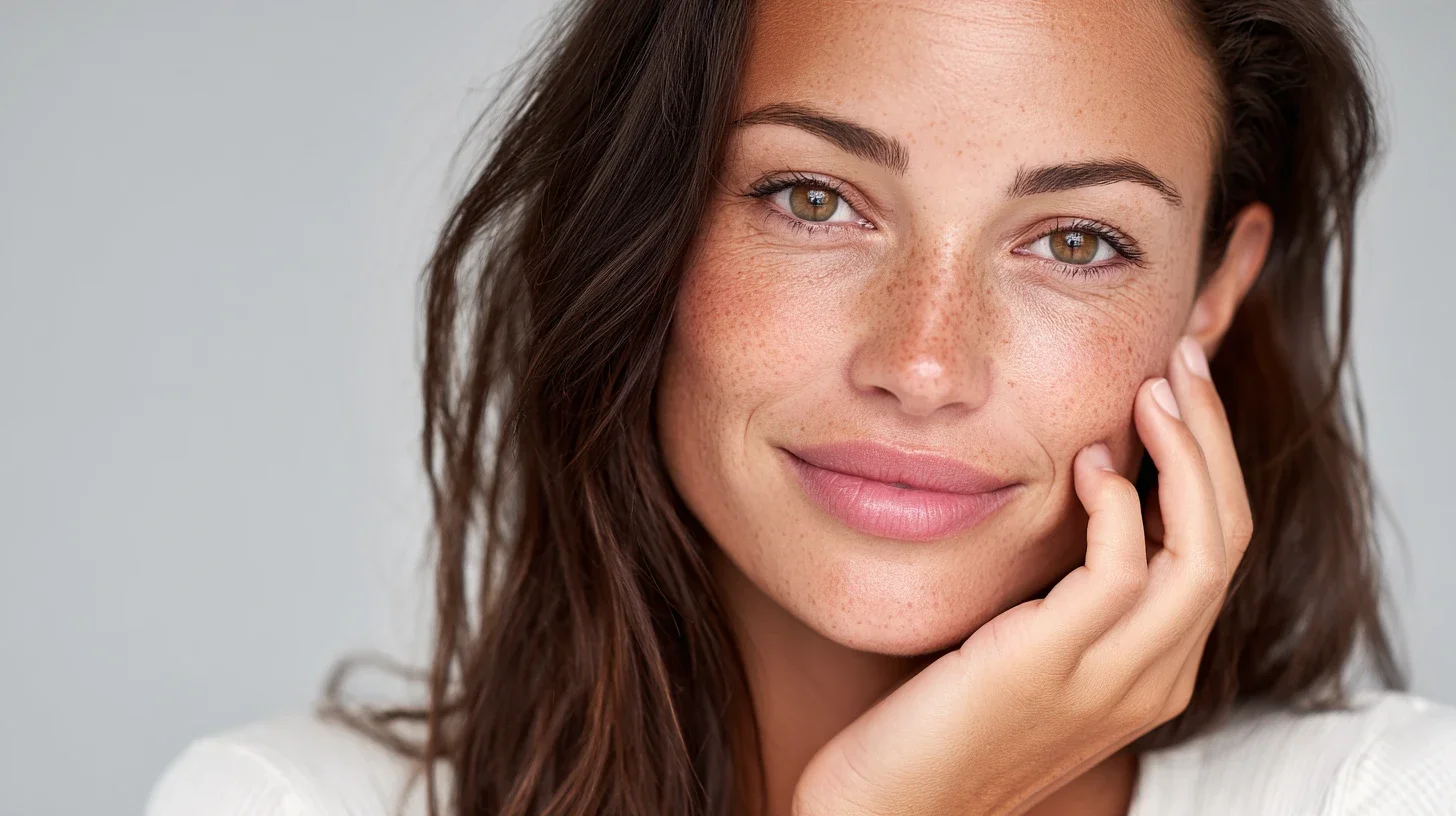
Every year spent enjoying the California sun can leave its mark on your skin. Freckles that once seemed charming may deepen into persistent dark spots, and fine lines or rough patches can become more pronounced with each passing summer. These visible changes can affect confidence and serve as reminders of both cherished outdoor memories and the long-term effects of sun exposure. Addressing sun damage requires an approach that goes beyond surface-level fixes, supporting both your skin's appearance and overall health.
If you have noticed your complexion looking uneven, dull, or older than you feel, laser skin rejuvenation may be an option to consider. Keep reading to find out how these advanced treatments work, what concerns they can address, and what to expect from the process.
Why Topical Fixes Are Not Always Enough for Sun Damage
The effects of long-term sun exposure are cumulative and can show up as pigmentation, rough texture, fine lines, and loss of skin elasticity. While sunscreen and topical antioxidants are foundational for prevention, reversing sun damage often requires a solution that reaches beneath the surface.
Laser skin rejuvenation harnesses concentrated light energy and delivers it to targeted areas with remarkable precision. This approach allows treatment of both the superficial and deeper layers of skin, addressing visible imperfections as well as the underlying causes of a sun-damaged appearance. By stimulating the body's own regenerative processes, these treatments can help fade discoloration, promote new collagen growth, and refine skin texture in ways that creams and serums typically cannot.
The Long-Term Impact of Sun Exposure on Skin Health
Most people associate sun damage with cosmetic concerns like dark spots and wrinkles, but chronic UV exposure affects the skin beyond appearance. Over time, UV radiation can break down structural proteins such as collagen and elastin, leading to thinning, sagging, and creasing that become more noticeable with age. UV exposure can also affect melanocytes, the pigment-producing cells, sometimes causing uneven or patchy pigmentation. In some cases, prolonged sun exposure may contribute to precancerous changes, which is why regular skin checks and discussion of sun-related concerns with a dermatologist or aesthetic provider are recommended.
Laser skin rejuvenation may help address both the visible and underlying effects of sun damage. By supporting the skin’s natural renewal processes and encouraging collagen and elastin production, these treatments may help improve texture, tone, and firmness, while promoting overall skin resilience and function over time.
How Laser Technology Works on Sun-Damaged Skin
Each laser device emits a controlled beam of light energy that is absorbed by specific pigments or water molecules in the skin. Darker spots or redness caused by sun exposure absorb more light energy, which converts to heat. This heat breaks down pigment clusters and stimulates the body's natural repair response.
At the same time, the heat generated by the laser encourages the production of new collagen, an essential protein that helps keep skin firm, elastic, and smooth. Over time, as the body metabolizes damaged cells and produces fresh collagen and elastin, the skin may appear clearer, more even, and refreshed, depending on individual response. Because the light energy can be precisely controlled, the surrounding healthy skin remains largely unaffected, leading to faster recovery and a lower risk of side effects when performed by trained professionals.
Sun Damage Concerns Laser Treatment Can Address
Sun damage presents differently for every individual, depending on genetics, age, and time spent outdoors. Laser skin rejuvenation is versatile enough to address a wide spectrum of concerns, including the following.
Sunspots and Hyperpigmentation
Flat brown or black areas that develop due to overproduction of melanin in response to UV exposure commonly appear on the face, hands, shoulders, and chest.
Fine Lines and Wrinkles
Repeated sun exposure accelerates the breakdown of collagen and elastin, which can lead to premature creasing, especially around the eyes and mouth.
Uneven Skin Tone and Redness
UV rays can dilate blood vessels and trigger changes in pigmentation, creating patchy or blotchy skin that is difficult to address with topical products alone.
Texture Irregularities
Chronic sun exposure can make the skin feel rough, thickened, or leathery, a condition often referred to as photoaging.
Enlarged Pores
As sun damage causes the skin to lose elasticity over time, pores can become more noticeable and difficult to minimize.
Laser Treatment Options for Sun Damage
No two cases of sun damage are exactly the same, which is why a range of laser and skin rejuvenation devices exists to address specific concerns, skin types, and downtime preferences.
Ablative and Non-Ablative Lasers
Ablative lasers remove the outermost layer of damaged skin, prompting a controlled healing response and the growth of new, healthier skin. These treatments tend to yield more noticeable results for significant sun damage, deep wrinkles, and pronounced texture changes, though they may require more recovery time. Non-ablative lasers deliver energy below the skin's surface without removing the top layer, stimulating collagen production and targeting pigmentation or redness with less disruption. They are popular for mild to moderate sun damage and are preferred by those who want gradual improvements with minimal downtime.
Specialized Options
Hybrid CO2 lasers combine precise surface resurfacing with deeper collagen stimulation to address multiple sun damage concerns in a single treatment. At Lavender Reine, the Tetra CoolPeel delivers this dual-action approach with significantly less downtime than traditional CO2 lasers, making it a practical option for patients seeking meaningful results without an extended recovery.
Multi-Application platforms like the Alma Harmony Laser use advanced light-based technology to target pigmentation, redness, and vascular irregularities caused by sun exposure. With adjustable settings and multiple handpieces, it can be customized for a wide range of skin tones and concerns, making it one of the most versatile tools available for sun damage correction.
What to Expect From Treatment
Laser skin rejuvenation begins with a personalized consultation where a skilled provider will evaluate your complexion, discuss your sun exposure history, and recommend a treatment plan tailored to your needs.
During Treatment
Most sessions are completed in under an hour. Clients typically experience a mild tingling or warming sensation during the procedure, which is generally well tolerated. Depending on the device used, a cooling system may activate before each pulse to keep the skin comfortable throughout.
After Treatment
Redness or slight swelling is common in the hours following treatment but typically resolves within a few days. Some patients notice mild flaking or bronzing as damaged skin sheds and fresh skin emerges. Following our aftercare instructions closely will help protect your results and support smooth healing.
Results
Improvements in brightness, smoothness, and clarity may develop gradually over several weeks as collagen continues to rebuild. For deeper sun damage, multiple sessions may be recommended. Avoiding direct sun exposure, using gentle skincare products, and applying broad-spectrum sunscreen daily are important steps to maintain your results and prevent new sun damage.
How Many Sessions Will You Need?
One of the most common questions before starting laser skin rejuvenation is how many treatments are needed to see improvement. The answer depends on factors such as the extent of sun damage, the type of laser used, your skin type, and your personal goals. For mild to moderate sun damage, some patients notice improvement after a single session.
For more significant concerns, such as deeper pigmentation, pronounced texture changes, or extensive photoaging, a series of three sessions spaced four to six weeks apart is often recommended. Many patients also choose periodic touch-up treatments once or twice a year to help maintain results, particularly if they spend significant time outdoors. Your provider at Lavender Reine will review your skin during consultation and provide guidance on a treatment timeline tailored to your individual needs.
Why Choose Lavender Reine for Laser Skin Rejuvenation
Choosing the right provider for laser skin rejuvenation is essential for both safety and satisfaction. At Lavender Reine Wellness in Montclair, CA, every treatment begins with a thorough assessment of your skin, your sun exposure history, and your goals. Founded by Ingrid, RN, MSN, an Integrative Health and Wellness Specialist with 35 years of experience, Lavender Reine brings clinical depth and personalized attention to every patient.
We use advanced laser technology, including the Tetra CoolPeel and the Alma Harmony Laser, both of which can be customized to your skin tone, concern, and lifestyle. Our philosophy, rooted in helping clients age gracefully from the inside out, means the focus is always on confidence-building results that look refreshed rather than overdone. From your initial consultation through post-treatment follow-up, you can expect to feel supported and cared for throughout the entire process.
Explore Laser Skin Rejuvenation Treatments at Lavender Reine
Sun damage does not have to be permanent. As a leading provider of laser skin rejuvenation in Montclair, CA, Lavender Reine Wellness is dedicated to helping patients potentially achieve clearer, smoother, and more radiant skin, depending on individual results.
Whether you are dealing with decades of accumulated sun damage or simply want to refresh and even out your complexion, our expert team is here to help you find the right approach. Call (909) 447-0405 to schedule your consultation and take the first step toward restoring your skin's natural confidence and clarity.
About the Author

Ingrid is a Registered Nurse (RN, MSN), Founder of Lavender Reine Wellness, and Family Nurse Practitioner student specializing in Acute/Family Care and Integrative Health & Wellness. With 35 years of experience spanning business formation, medical staffing, and hands-on clinical care, including extensive work with cancer, autoimmune conditions, and primary care, Ingrid brings a rare depth of knowledge to every aspect of wellness. As the visionary behind Lavender Reine Wellness in Montclair, CA, she is passionate about helping clients age gracefully from the inside out through personalized, evidence-informed treatments that blend medical aesthetics with holistic well-being.