Alma TED vs PRP Hair Restoration: Which Treatment Is Right for You?

Hair thinning and early-stage hair loss are common concerns, and many patients begin exploring non-surgical treatment options well before considering more invasive procedures. Two approaches that are frequently compared are Alma TED and PRP hair restoration.
While both are used in modern hair restoration settings, they work through very different mechanisms. PRP is an injection-based treatment that uses components derived from your own blood, while Alma TED is a completely non-invasive system that uses ultrasound energy and air-based delivery technology to support scalp health and hair follicle activity.
Understanding the differences between Alma TED vs PRP can help clarify which approach may be more appropriate based on your comfort level, treatment goals, and stage of hair thinning. In many cases, the decision comes down to whether a patient prefers a needle-free experience or is open to injectable, biologic-based treatments.
Understanding Non-Surgical Hair Restoration
Non-surgical hair restoration has rapidly grown in popularity as patients seek effective, less invasive solutions for hair thinning and early-stage hair loss. These treatments are designed to:
Stimulate dormant or weakened hair follicles
Support the overall health of your scalp
Encourage the growth of stronger, healthier hair
Reduce shedding and slow down further hair loss
Offer results without incisions, anesthesia, or significant downtime
The process typically involves applying or activating growth factors or specialized serums directly to the scalp, either through targeted delivery systems or injections, depending on the method used. Early treatment tends to make a real difference, since addressing hair loss sooner usually leads to better results. Outcomes vary depending on the stage of hair loss and the type of treatment used.
What Is Alma TED?
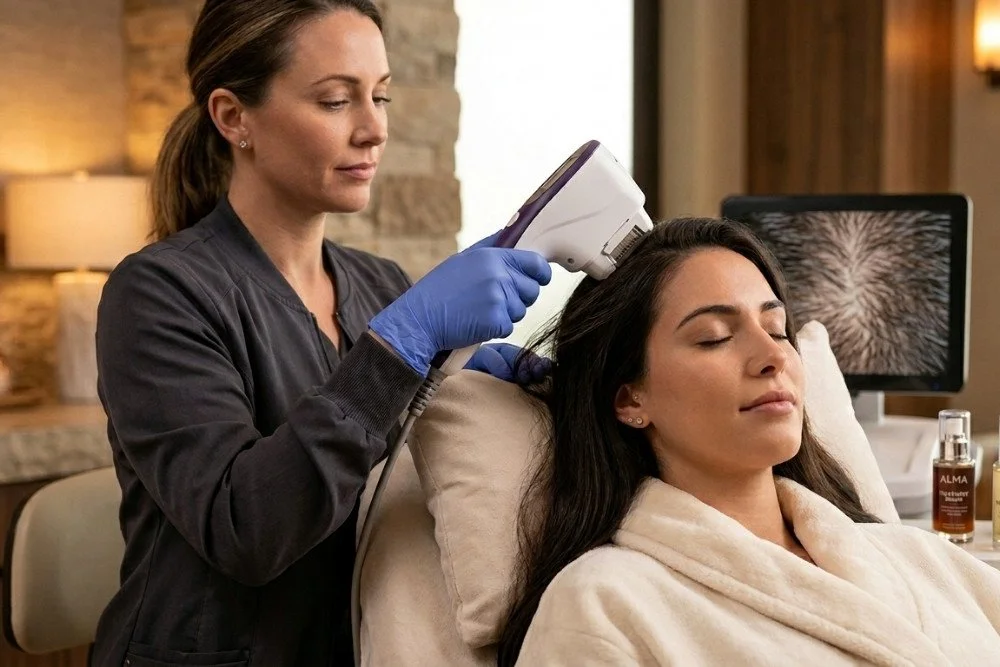
Alma TED is an innovative hair restoration treatment that leverages advanced technology to rejuvenate hair follicles. The system uses a combination of ultrasound sound waves and gentle air pressure to deliver a proprietary serum deep into the scalp. Unlike traditional hair restoration treatments, Alma TED is completely needle-free, meaning there are no injections or blood draws involved. This approach offers several benefits, such as:
Comfortable, non-invasive experience
Minimal discomfort during and after the treatment
Little to no downtime, allowing you to resume daily activities quickly
Suitable for individuals who are anxious about needles or injections
The specialized Alma TED device glides over the scalp, distributing the serum evenly and efficiently. The combination of sound waves and air pressure helps the serum penetrate the skin barrier, stimulating hair follicles and supporting scalp health. Most sessions are brief, and patients frequently describe the experience as gentle and relaxing.
Benefits of Alma TED
Needle-free and injection-free
Comfortable, pain-minimized treatment
No blood draw required
Minimal downtime, so you return to your day quickly
Ideal for those who dislike needles or want a non-invasive option
Suitable for sensitive scalps
No risk of bruising from injections
Can be repeated as needed for maintenance
What Is PRP Hair Restoration?
PRP hair restoration (Platelet-Rich Plasma) is an injection-based treatment that uses components of your own blood in an effort to support healthier hair growth. It is often included in hair restoration discussions as a biologic, clinic-based option that delivers concentrated growth factors directly to the scalp.
Here’s how the process typically works:
Blood Draw: A small amount of blood is collected, usually from the arm.
Plasma Separation: The sample is centrifuged to isolate platelet-rich plasma, which contains concentrated growth factors.
Injection Process: The PRP is injected into targeted areas of the scalp experiencing thinning.
Growth Factor Activity: The goal is to stimulate hair follicles and support a healthier growth environment over time.
Because PRP involves both a blood draw and multiple scalp injections, the experience is more clinical than that of non-invasive treatments. Most sessions are completed within about an hour, and downtime is typically minimal, though mild sensitivity at injection sites can occur.
Benefits of PRP Hair Restoration
Uses the body’s own biological components
Commonly used in medical hair restoration settings
May support thicker, healthier-looking hair over time
Can be customized based on injection placement and concentration
Minimal downtime for most patients
Often considered for early to moderate stages of hair thinning
Can be combined with other hair restoration approaches
Alma TED vs PRP: Key Differences for Informed Decisions
When comparing the two, it’s important to understand that these treatments work in very different ways. Alma TED is a non-invasive, ultrasound-based system designed to enhance scalp health and support hair restoration without needles, while PRP relies on biologic growth factors delivered through injections.
| Feature | Alma TED | PRP Hair Restoration |
|---|---|---|
| Treatment Method | Ultrasound + air-based delivery system | Blood draw + scalp injections |
| Comfort Level | Needle-free, generally comfortable | Injections required, mild discomfort possible |
| Downtime | Minimal to none | Minimal |
| Use of Needles | None | Yes |
| Treatment Experience | Non-invasive, spa-like | Clinical, injection-based |
| Ideal Candidates | Those seeking a non-invasive option or early thinning | Patients comfortable with injections and wanting biologic support |
| Maintenance | Periodic sessions as recommended | Maintenance injections over time |
Needle-Free
Injections
Alma TED is often chosen by patients who prefer a completely non-invasive experience that fits easily into a wellness-focused routine. PRP, on the other hand, remains a widely recognized injectable option for those interested in a biologic approach to hair restoration.
Which Treatment Offers a More Comfortable Experience?
Alma TED is fully non-invasive and uses ultrasound and air-based technology to deliver specialized serums into the scalp without needles or injections. Most patients describe the experience as comfortable and relaxing, with no associated downtime.
PRP hair restoration involves both a blood draw and multiple small injections into the scalp. While discomfort is typically mild and brief, patients who are sensitive to needles may find this approach less appealing.
Ultimately, comfort preferences play a significant role in treatment selection. Alma TED may be a better fit for those prioritizing a needle-free experience, while PRP may appeal to patients comfortable with injectable treatments.
Which Non-Surgical Hair Restoration Option Delivers Better Results?
When comparing Alma TED vs PRP, it’s important to understand that neither treatment is universally “better” than the other. Instead, they operate through different mechanisms and may suit different needs and preferences.
Results often depend on factors such as:
The stage and cause of hair thinning
The condition of existing hair follicles
Consistency of recommended treatment sessions
Individual response to stimulation or regenerative therapies
Early-stage hair thinning may respond well to either approach, and some patients may notice gradual improvements in density and hair quality over time. In many cases, a personalized treatment plan provides the best opportunity for optimal results. To better understand how timing affects outcomes, it can be helpful to explore when hair restoration treatments are most effective.
Who Is the Ideal Candidate for Alma TED Treatment?
Alma TED may be a strong option for individuals who:
Are experiencing early-stage hair thinning or mild hair loss
Prefer a completely non-invasive, needle-free treatment
Want a comfortable experience with no injections or blood draws
Are looking for a treatment that easily fits into a routine schedule
Prefer a wellness-oriented approach to scalp and hair health
Want a maintenance-focused or preventative solution
Because Alma TED is non-invasive, it is often appealing to patients who want to begin addressing hair concerns without more intensive procedures.
Who May Be a Better Candidate for PRP Hair Restoration?
PRP hair restoration may be considered for individuals who:
Are comfortable with blood draws and scalp injections
Are interested in a biologic, platelet-based approach
Prefer injectable treatments as part of their care plan
Have early to moderate thinning with active follicles
May benefit from combining PRP with other therapies
A consultation with a qualified provider is essential to determine whether PRP, Alma TED, or a combination approach is most appropriate based on individual goals and scalp health.
How to Choose the Best Hair Loss Treatment for Your Goals
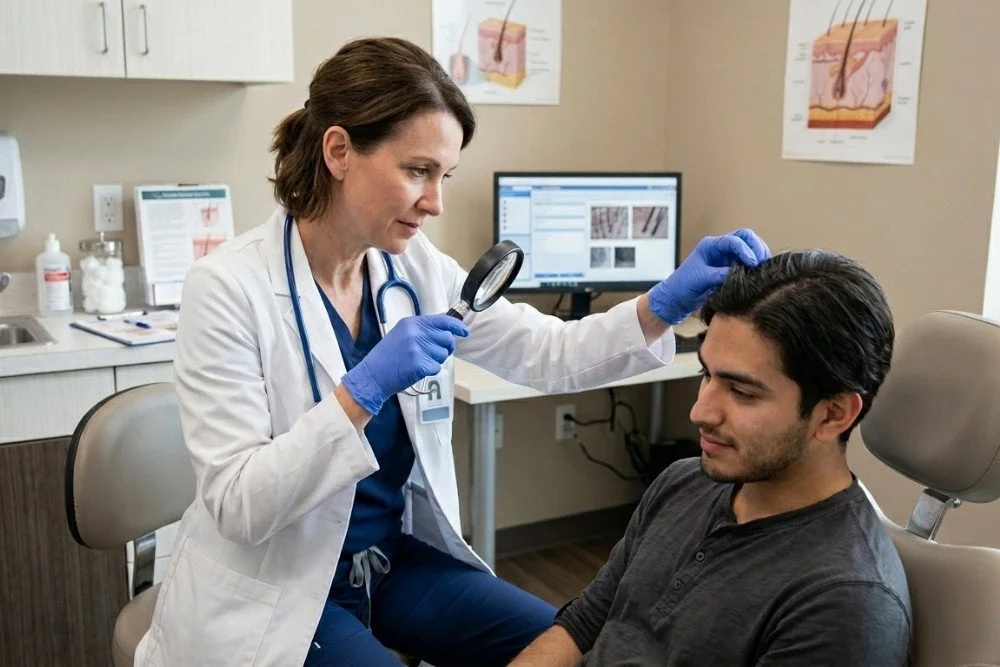
Selecting the best hair loss treatment is a highly personal decision. The process should always begin with a professional consultation, during which your provider will:
Assess the pattern and extent of your hair loss
Evaluate your scalp health and hair follicle density
Discuss lifestyle factors and medical history
Review your comfort level with needles and downtime
Customize a treatment plan tailored to your unique needs
Personalized planning ensures you receive a non-surgical hair restoration approach that aligns with both your goals and your comfort. A collaborative, open conversation is the best foundation for success.
Complementary Treatments That Support Overall Hair Health
Hair health is often linked to your overall wellness. Supporting your body from the inside out may enhance the effects of non-surgical hair restoration. Additional services to consider include:
IV Hydration Therapy: Hydration supports scalp and follicle health, delivering nutrients directly to your system.
Medical Weight Loss: Maintaining a healthy weight can reduce inflammation and improve hormonal balance, both of which affect hair growth.
Wellness Services: Stress management, nutrition counseling, and other holistic services can support optimal hair and scalp health.
Integrating these wellness treatments alongside your chosen hair restoration treatment may help create the best environment for healthy hair growth.
Choosing Between Alma TED and PRP
Both Alma TED and PRP hair restoration are commonly used non-surgical options for addressing hair thinning, but they differ in their approaches and patient experiences.
Alma TED offers a completely non-invasive, needle-free treatment that uses ultrasound-based technology to support scalp health and hair growth, making it a strong option for patients seeking comfort and convenience. PRP, in contrast, is an injection-based treatment that uses growth factors from your own blood and may appeal to those comfortable with a more clinical approach.
The best choice depends on your stage of hair loss, treatment preferences, and goals. A personalized consultation can help determine which approach is most appropriate for your needs. Call us at (909) 447-0405 to schedule yours now!
About the Author

Ingrid is a Registered Nurse (RN, MSN), Founder of Lavender Reine Wellness, and Family Nurse Practitioner student specializing in Acute/Family Care and Integrative Health & Wellness. With 35 years of experience spanning business formation, medical staffing, and hands-on clinical care, including extensive work with cancer, autoimmune conditions, and primary care, Ingrid brings a rare depth of knowledge to every aspect of wellness. As the visionary behind Lavender Reine Wellness in Montclair, CA, she is passionate about helping clients age gracefully from the inside out through personalized, evidence-informed treatments that blend medical aesthetics with holistic well-being.