Is Hair Loss Reversible? When Hair Restoration Treatments Actually Work

Hair loss can be frustrating, especially when you're unsure whether it's temporary or something more permanent. If you've noticed increased shedding, thinning hair, or a receding hairline, you may be wondering: Can hair loss be reversed?
The answer depends on the cause, the timing of treatment initiation, and whether the affected follicles are still active. In this article, we'll explain when a hair restoration treatment can help regrow thinning hair, what results are realistic, and which non-surgical hair restoration options may be most effective.
Can Hair Loss Be Reversed? Understanding When It's Possible
Hair loss is not a single condition. It ranges from temporary shedding to permanent loss of follicles. Whether hair can regrow depends on several factors, including:
Underlying cause
Extent and duration of hair loss
Presence of active (living) hair follicles
How early in the process treatment begins
Temporary hair loss, such as shedding caused by stress or a recent illness, may be reversible if the follicles are not permanently damaged. Progressive hair thinning, like in male or female pattern hair loss, can often be slowed or partially reversed with early intervention. Permanent follicle damage (such as scarring or long-standing bald areas) typically cannot be reversed with non-surgical methods, though camouflage and restorative techniques may help improve appearance.
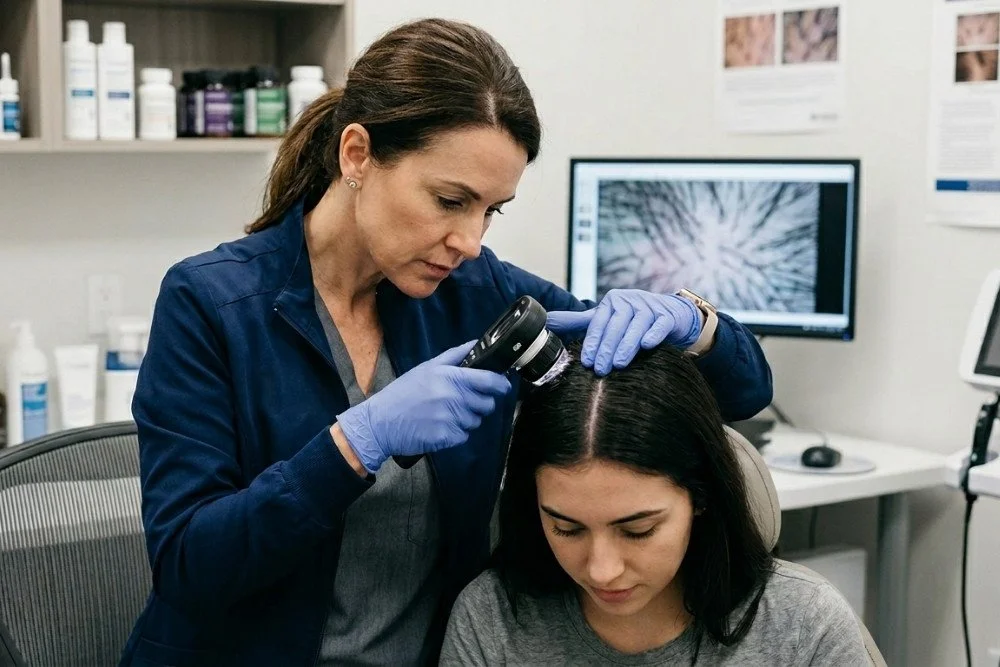
Early evaluation by a trained professional can help determine which type of hair loss you are experiencing so you can learn which options are best for you. Addressing hair loss in its earliest stages offers the best odds of success for those seeking to regrow thinning hair.
Common Causes of Hair Loss and Their Impact
Understanding what’s causing your hair loss is the first step in developing an effective hair restoration treatment plan. Here are the most common factors influencing hair health:
Genetic Predisposition: Male and Female Pattern Hair Loss
Genetics is one of the leading reasons for hair thinning in both men and women. Male pattern baldness and female pattern hair loss are inherited conditions where hair follicles gradually shrink, producing thinner and shorter hairs before eventually stopping altogether.
This type of hair loss often begins at the temples or crown in men, and as diffuse thinning over the scalp in women. While genetic pattern hair loss is progressive, early detection and treatment can slow the process and, in many cases, help regrow thinning hair.
Hormonal Shifts and Their Effect on Hair Growth
Hormones play a crucial role in regulating the hair growth cycle. Changes related to aging, menopause, pregnancy, or thyroid conditions can disrupt this natural cycle, leading to increased shedding or thinning. For example, drops in estrogen after menopause or imbalances in thyroid hormones can cause noticeable changes in hair thickness and texture. Correcting the underlying hormonal imbalance when possible may help restore fuller, healthier hair.
Stress, Lifestyle, and Nutritional Factors Impacting Hair Health
Physical or emotional stress can shock the body into a state called telogen effluvium, where more hairs than normal enter the resting phase and shed at once. Similarly, deficiencies in key nutrients such as iron, vitamin D, or protein can weaken the hair structure and contribute to excessive shedding. Addressing lifestyle habits (like sleep, diet, and hydration) can help restore proper function and support hair regrowth in these cases.
Medical Conditions and Medications That Can Cause Hair Loss
Certain medical conditions, such as autoimmune disorders, scalp infections, or chronic illnesses, can lead to patchy or diffuse hair loss. Additionally, medications prescribed for cancer, high blood pressure, depression, or other health issues may list hair thinning as a side effect.
Identifying and managing the underlying medical condition is critical before starting any hair restoration treatment, as it helps ensure the chosen therapy is both safe and effective.
When Hair Restoration Treatments Deliver Real Results
Hair restoration treatments can be highly effective, but their success relies on several factors, such as:
Presence of active (living) hair follicles
Consistency and adherence to the recommended protocol
Patient’s general health and absence of underlying untreated conditions
Timing: early intervention is best
It’s important to set realistic expectations. Results from non-surgical hair restoration are generally gradual and depend on the severity of hair loss, the method used, and the individual’s unique biology. Most treatments aim to thicken existing hair, slow further loss, and stimulate regrowth in areas where follicles are still viable. For those with significant scarring or long-established baldness, results may be limited, but improvements in scalp appearance and hair density are still possible for many patients.
Effective Non-Surgical Hair Restoration Options
Advancements in non-surgical hair restoration have enabled many people to address thinning hair with safe, minimally invasive treatments. Here are some of the most effective options:
Alma TED: A Needle-Free Approach to Hair Restoration
Alma TED is an advanced, non-invasive hair restoration treatment designed to support healthier, fuller-looking hair without needles, injections, or downtime. Using ultrasound sound waves and air pressure technology, Alma TED helps deliver specialized hair growth serums directly to the scalp, creating an environment that supports stronger, healthier hair follicles. Many patients choose Alma TED because the treatment is comfortable, requires no recovery period, and can be incorporated into a broader hair restoration plan. While results vary from person to person, patients often notice improvements in hair thickness, shedding, and overall hair quality over a series of treatments.
For individuals researching their options, it's common to compare Alma TED with other popular hair restoration treatments, including PRP therapy. While both approaches aim to support hair growth and improve follicle health, they work in different ways and may be better suited for different candidates. If you're weighing your options, learn more about the differences between PRP and Alma TED hair restoration treatments.
Optimizing Scalp Health for Hair Regrowth
A healthy scalp is foundational for successful hair restoration. Treatments focused on exfoliation, hydration, and improving scalp circulation can create an environment where hair is more likely to thrive. Scalp health optimization may involve gentle cleansing, anti-inflammatory therapies, and topical applications tailored to individual needs. Maintaining a clean, balanced scalp can be especially helpful for those with dandruff, itchiness, or buildup that may otherwise hinder progress.
Holistic Wellness Approaches Supporting Hair Restoration Journey
Because hair health is influenced by overall wellness, addressing nutrition, hydration, hormonal balance, and lifestyle factors can significantly enhance the results of non-surgical hair restoration. This may include:
Incorporating protein-rich foods, iron, and vitamins into your diet
Drinking adequate water
Managing stress with relaxation techniques
Identifying and correcting hormonal imbalances with medical guidance
Taking a comprehensive, wellness-based approach ensures that both the scalp and follicles have the support they need to regrow thinning hair and maintain results over time.
How Long Does It Take to Regrow Thinning Hair Effectively?
The timeline for seeing results from hair restoration treatments varies, but most patients should plan for a gradual process. Here’s what you can generally expect as you work to regrow thinning hair:
Months 1-2: Minimal visible change. The scalp may feel healthier, and shedding may decrease.
Months 3-4: Early signs of fine new hair growth. Some thickening may be noticed.
Months 5-6: Continued thickening and increased volume as new hairs mature.
Months 6-12: Full visible improvement, with ongoing maintenance recommended for lasting results.
Consistency is key. Sticking with the prescribed regimen and attending scheduled follow-ups maximizes your chances of success. It’s important to be patient, as follicles need time to respond and complete their natural growth cycles.
Are You an Ideal Candidate for Professional Hair Restoration Treatment?
You may be a strong candidate for hair restoration if you:
Have noticed recent thinning or increased shedding
Are in the early stages of male or female pattern hair loss
Have healthy but weakened follicles that can still produce hair
Are generally healthy and able to follow a treatment plan
Want to improve density and slow progression rather than achieve full regrowth in bald patches
A professional consultation can help determine the most appropriate treatment for your specific situation and set expectations accordingly.
When Hair Loss May Not Be Fully Reversible: Setting Clear Expectations
While many types of hair loss can be improved, it’s important to recognize situations where reversal may not be possible. These include:
Advanced follicle damage, often seen in long-standing bald areas
Scarring alopecia, where inflammation or injury has destroyed the follicle
Certain types of hair loss related to extensive medical conditions
In these cases, non-surgical hair restoration may still improve scalp appearance or slow further loss, but full regrowth is unlikely. Honest evaluation and tailored recommendations are essential for achieving the best possible outcome.
Complementary Wellness Treatments to Support Your Hair and Aesthetic Goals
A comprehensive approach to wellness can further enhance the results of hair restoration treatments. Because hair health is influenced by factors such as hydration, nutrition, circulation, and overall well-being, supporting the body from multiple angles may help create an environment where healthier hair can thrive.
IV Hydration Therapy
Proper hydration and nutrient levels play an important role in maintaining healthy hair. IV hydration therapy delivers fluids, vitamins, and essential nutrients directly into the bloodstream, helping support overall wellness and addressing potential deficiencies that may contribute to dull, brittle, or weakened hair. Many patients incorporate IV therapy into their broader wellness routine to support healthy skin, energy levels, and hair health.
Medical Weight Loss Programs
Weight fluctuations, nutritional deficiencies, and hormonal changes can all affect hair growth and shedding patterns. A medically supervised weight loss program focuses on achieving sustainable results while supporting overall health. By prioritizing proper nutrition and metabolic balance, patients can work toward wellness goals without compromising the nutrients needed to maintain healthy hair.
Skin Rejuvenation Treatments
Healthy skin and healthy hair often share many of the same foundations, including adequate circulation, collagen production, and ongoing self-care. Skin rejuvenation treatments can help improve overall skin quality while complementing a broader wellness-focused approach to aesthetic care. For many patients, addressing both skin and hair concerns creates a more comprehensive path toward looking and feeling their best.
What to Do If You're Experiencing Hair Loss
Ultimately, the answer to whether hair loss can be reversed depends on the cause, the stage at which you find help, and your unique health profile. Early intervention is important, as most modern hair restoration treatment options can help you regrow thinning hair and improve density when started promptly.
Patients experiencing thinning hair may benefit from Alma TED hair restoration treatments, which are designed to support follicle health and improve overall hair density without injections or downtime.
The first step is always a thorough, professional evaluation. If you’re experiencing hair loss, schedule a consultation with Lavender Reine Wellness & Aesthetics. Our caring, experienced team will help you explore the safest, most effective options for your needs and guide you on the path to renewed confidence. Call us at (909) 447-0405 to schedule your consultation now!
About the Author

Ingrid is a Registered Nurse (RN, MSN), Founder of Lavender Reine Wellness, and Family Nurse Practitioner student specializing in Acute/Family Care and Integrative Health & Wellness. With 35 years of experience spanning business formation, medical staffing, and hands-on clinical care, including extensive work with cancer, autoimmune conditions, and primary care, Ingrid brings a rare depth of knowledge to every aspect of wellness. As the visionary behind Lavender Reine Wellness in Montclair, CA, she is passionate about helping clients age gracefully from the inside out through personalized, evidence-informed treatments that blend medical aesthetics with holistic well-being.